
logo
문자 보내
우리에 대해 더 알아보기
기업 갤러리
  • Jiangsu Yida Chemical Co., Ltd.
  • Jiangsu Yida Chemical Co., Ltd.
  • Jiangsu Yida Chemical Co., Ltd.
  • Jiangsu Yida Chemical Co., Ltd.
  • Jiangsu Yida Chemical Co., Ltd.
  • Jiangsu Yida Chemical Co., Ltd.
  • Jiangsu Yida Chemical Co., Ltd.
  • Jiangsu Yida Chemical Co., Ltd.
  • Jiangsu Yida Chemical Co., Ltd.
우리 에 관한 것

Jiangsu Yida Chemical Co., Ltd.

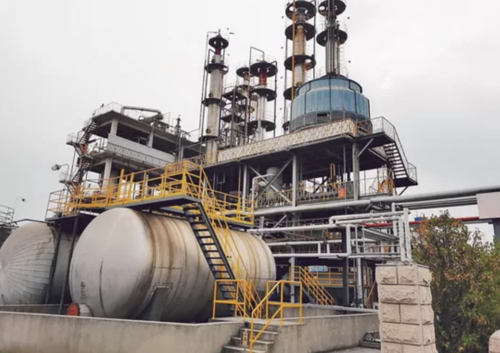
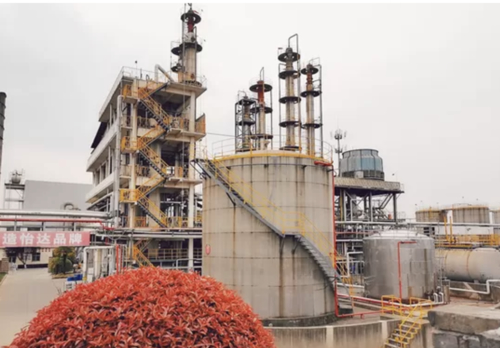
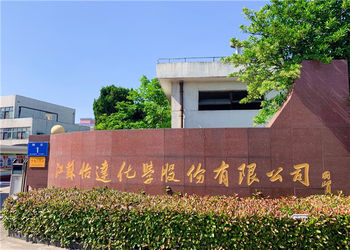
장쑤 성 Yida 화학물질 Co., 1996년 6월에서 설치된 주식 회사는, 국가 토치 계획의 중요한 하이테크 기업입니다. 지금 그것에는 장쑤 성에 있는 5명의 유한 책임 회사가, 지린 성 및 주하이, 상해, 주하이 및 다롄 가까운 항구 있습니다. 사령부는 Lingang 새로운 도시, 장인, 의 양자강에 따라서 아름다운 경치가 좋은 도시에서 장쑤성 있습니다. 지금 9개의 종이 첨단기술 제품을 통해서 확인되는 45의 종 제품의 8개의 시리즈가 있습니다. 더하여, 시장에 매년마다 5개의 새로운 다양성이 있고, 고객에게 지어질 수 있습니다. 공장은 에틸렌 글리콜 에테르, 프로필렌 글리콜 에테르 및 그들의 아세테이트 시리즈를 전문화합니다. 이 제품은 코팅, 잉크, 전자 CCL의 브레이크액, 농약, 조제약, 인쇄, 청정제 기업에서 널리 이용되는 새로운 환경 친절한 물자 및 우수한 고성능 유기 용매입니다. 그것은 보편 용매이라고 지명된 명성을 받습니다. 과학적인 연구 및 생산과 결합하십시오, ...
우리 에 관한 것

Jiangsu Yida Chemical Co., Ltd.

장쑤 성 Yida 화학물질 Co., 1996년 6월에서 설치된 주식 회사는, 국가 토치 계획의 중요한 하이테크 기업입니다. 지금 그것에는 장쑤 성에 있는 5명의 유한 책임 회사가, 지린 성 및 주하이, 상해, 주하이 및 다롄 가까운 항구 있습니다. 사령부는 Lingang 새로운 도시, 장인, 의 양자강에 따라서 아름다운 경치가 좋은 도시에서 장쑤성 있습니다. 지금 9개의 종이 첨단기술 제품을 통해서 확인되는 45의 종 제품의 8개의 시리즈가 있습니다. 더하여, 시장에 매년마다 5개의 새로운 다양성이 있고, 고객에게 지어질 수 있습니다. 공장은 에틸렌 글리콜 에테르, 프로필렌 글리콜 에테르 및 그들의 아세테이트 시리즈를 전문화합니다. 이 제품은 코팅, 잉크, 전자 CCL의 브레이크액, 농약, 조제약, 인쇄, 청정제 기업에서 널리 이용되는 새로운 환경 친절한 물자 및 우수한 고성능 유기 용매입니다. 그것은 보편 용매이라고 지명된 명성을 받습니다. 과학적인 연구 및 생산과 결합하십시오, ...
핵심 목적
우리 의 장점
picurl
고품질
신뢰 밀봉, 신용 검사, RoHs 및 공급자 능력 평가. 회사 엄격한 품질 관리 시스템과 전문적인 테스트 실험실이 있습니다.
picurl
개발
내부 전문 설계 팀과 첨단 기계 작업장 우리는 당신이 필요로 하는 제품을 개발하기 위해 협력할 수 있습니다.
picurl
제조업
첨단 자동 기계, 엄격한 프로세스 제어 시스템. 우리는 당신의 요구 이상의 모든 전기 단말기를 제조 할 수 있습니다.
picurl
100% 서비스
대용품 및 맞춤형 소형 패키지, FOB, CIF, DDU 및 DDP. 우리는 여러분의 모든 고민에 대한 최선의 해결책을 찾는 데 도움을 줄 것입니다.
전문적 인 해결책 을 제공
우리는 고객의 다양한 요구를 충족시키기 위해 다양한 제품 솔루션을 보유하고 있습니다. 우리의 효율성은 높고 서비스 품질, 고객 찬사를 받았습니다.
    How Does Tripropylene Glycol Monobutyl Ether Enhance Cleaning Efficiency in Degreasers? In industrial degreasers, TPGBE improves penetration, dissolves heavy oils, and reduces streaking. Its slow evaporation provides longer working time, leading to deeper cleaning results. FAQQ: Does TPGBE reduce residue after cleaning?A: Yes, its controlled evaporation minimizes leftover traces.
    What Industries Rely Most on Tripropylene Glycol Monobutyl Ether and Why? TPGBE is used across many industries including coatings, cleaning chemicals, textile processing, inks, and adhesives. Its versatility and safe profile make it a preferred solvent for manufacturers seeking performance and regulatory compliance. FAQQ: Why is TPGBE common in cleaning products?A: It dissolves both oils and water-based soils effectively.
    How Does Tripropylene Glycol Monobutyl Ether Compare to Other Glycol Ethers? Tripropylene Glycol Monobutyl Ether is part of a broad family of glycol ethers, each offering different performance characteristics. Compared with shorter-chain glycol ethers, TPGBE has slower evaporation, stronger solvency, and lower vapor pressure. Unlike ethylene glycol ethers, TPGBE offers a better safety profile with reduced toxicity. Many manufacturers prefer TPGBE as a safer alternative in cleaning products and coatings. Its unique balance of hydrophilicity and lipophilicity gives it excellent compatibility with water-based and oil-based systems, making it more versatile than many traditional solvents. FAQQ: Is TPGBE more environmentally friendly than traditional solvents?A: Yes, it has lower VOC emissions and improved biodegradability.
    What Makes Tripropylene Glycol Monobutyl Ether an Effective Coalescent in Coatings? Coalescents are critical ingredients in water-based coatings, helping polymer particles fuse into a durable film. Tripropylene Glycol Monobutyl Ether is one of the most effective coalescents due to its balanced evaporation rate and strong solvency. TPGBE penetrates polymer particles and softens them during the drying process. This allows the particles to merge seamlessly, forming a smooth, continuous coating. Without coalescents, coatings may appear rough, cracked, or brittle. Tripropylene Glycol Monobutyl Ether also improves low-temperature film formation. In cold environments, coatings often fail to form properly, resulting in poor adhesion. TPGBE ensures consistent performance even at lower temperatures. Additionally, TPGBE reduces surface defects such as pinholes, brush marks, and uneven gloss. It extends open time, allowing users to achieve superior finish quality. FAQQ: Is TPGBE compatible with all water-based resins?A: Yes, it works well with acrylics, vinyls, and styrene-acrylic systems. Q: Does it affect gloss levels?A: Yes, it helps achieve higher gloss and smoother finishes.
    How to Select High-Purity Tripropylene Glycol Monobutyl Ether for Manufacturing? Selecting the right grade of Tripropylene Glycol Monobutyl Ether is essential for achieving consistent product performance. Purity levels vary depending on the supplier, production method, and intended application. High-purity TPGBE typically contains fewer by-products, water, and residues. This is critical in coatings, electronic cleaners, printing inks, and adhesives where impurities can disrupt formulation stability. Manufacturers should review several key indicators when evaluating TPGBE quality:● Purity percentage● Moisture content● Distillation range● Color and odor● Residual alkali content For sensitive applications such as microelectronics cleaning, ultra-low moisture TPGBE is recommended to prevent corrosion and surface defects. In coatings, consistent evaporation rate and color stability are more important. Supplier reliability also plays a major role. Manufacturers should select suppliers with strong quality control systems, batch tracking, and third-party certifications. FAQQ: Does high-purity TPGBE improve performance?A: Yes, especially in coatings and electronics applications. Q: What is an acceptable purity range?A: Most industrial-grade products are above 98%.
    Is Tripropylene Glycol Monobutyl Ether Safe for Use in Household and Industrial Products? Safety is a major concern when formulating cleaning chemicals, coatings, and consumer products. Tripropylene Glycol Monobutyl Ether is widely regarded as a safe and environmentally friendly solvent when used appropriately. TPGBE has low acute toxicity and low skin irritation, making it suitable for many household cleaners such as floor cleaners, kitchen degreasers, and glass cleaners. It evaporates slowly, reducing inhalation risk and improving indoor air quality compared with faster-evaporating solvents. In industrial settings, TPGBE’s low flammability is a major advantage. It reduces fire risk in factories and storage facilities. Its VOC profile is also favorable, helping companies comply with emissions regulations. Tripropylene Glycol Monobutyl Ether is biodegradable, meaning it breaks down in the environment without significant long-term impact. This environmental safety profile has contributed to its popularity in green cleaning and eco-friendly coatings. Although TPGBE is considered safe, standard handling precautions must still be followed. Proper ventilation and protective equipment should be used in industrial environments. FAQQ: Is TPGBE allowed in consumer cleaning products?A: Yes, it is widely used in household surface cleaners. Q: Does TPGBE cause strong odors?A: No, it has a mild, low odor compared to many solvents.
    What Are the Key Benefits of Tripropylene Glycol Monobutyl Ether in Formulation Applications? Tripropylene Glycol Monobutyl Ether is a multifunctional solvent used in a variety of formulation applications, including cleaners, coatings, inks, adhesives, and textile processing products. Its effectiveness comes from a combination of strong solvency, high boiling point, and excellent miscibility. One of the primary benefits of TPGBE is its ability to dissolve both polar and non-polar substances. This allows formulators to use it as a bridge solvent that blends water-based and oil-based ingredients. In cleaners, it helps remove oils and soils while maintaining compatibility with aqueous systems. In adhesives, TPGBE improves viscosity control and reduces premature drying, enhancing workability. In textile applications, it improves dye penetration and fiber treatment efficiency. Tripropylene Glycol Monobutyl Ether is also valued for its low odor and reduced irritation potential compared with traditional solvents. This is essential in consumer products where user comfort is important. Environmental compliance is another key advantage. TPGBE supports low-VOC and green-chemistry formulations, helping manufacturers meet global environmental regulations without performance compromise. FAQQ: Is TPGBE suitable for high-temperature processes?A: Yes, its high boiling point makes it stable in elevated-temperature applications. Q: Does it improve product stability?A: Yes, TPGBE enhances formulation stability by improving solubility and miscibility.
    How Does Tripropylene Glycol Monobutyl Ether Improve Performance in Water-Based Paints? Tripropylene Glycol Monobutyl Ether plays a crucial role in modern water-based paint systems. As industries move away from solvent-heavy coatings toward environmentally friendly options, TPGBE has become a key additive for improving performance and application quality. TPGBE acts as a coalescent, helping polymer particles merge during drying to create a uniform film. Without such coalescing agents, water-based paints may dry too quickly or produce weak films with cracks and poor adhesion. TPGBE ensures smooth and durable coating formation. Another benefit of Tripropylene Glycol Monobutyl Ether is its ability to extend open time. When paint dries too quickly, it becomes difficult for users to achieve an even finish. TPGBE slows evaporation, giving painters more time to level and adjust the coating. For manufacturers, TPGBE improves compatibility across a wide range of resins and pigments. It helps disperse pigments, reduce surface tension, and stabilize the formulation. As a result, water-based paints achieve better gloss, improved color consistency, and enhanced resistance to environmental factors. TPGBE also reduces foam formation during production and application. Excessive foam can cause film defects, reducing coating integrity. Its controlled solvency helps minimize these issues while maintaining excellent application performance. FAQQ: Is Tripropylene Glycol Monobutyl Ether necessary in every water-based paint?A: Not always, but it significantly improves film quality and user experience. Q: Does TPGBE affect paint drying time?A: Yes, it slows evaporation to improve leveling and smoothness.
    Why Do Coating Manufacturers Prefer Tripropylene Glycol Monobutyl Ether as a Solvent? Tripropylene Glycol Monobutyl Ether has become a preferred choice among coating manufacturers worldwide due to its unique balance of solvency, evaporation rate, and compatibility with water-based and solvent-based systems. But why exactly is TPGBE so valuable in today’s coating industry? One of the key reasons is its excellent coalescing ability. TPGBE helps bind polymer particles during the film-formation stage, improving coating smoothness and durability. This makes it especially important in architectural paints and industrial coatings where weathering resistance is critical. Additionally, TPGBE has a slow evaporation rate compared with other glycol ethers. This gives formulators better control over open time, leveling behavior, and drying performance. Paints containing TPGBE exhibit fewer brush marks and improved flow properties. The solvent also enhances pigment dispersion. In water-based coatings, TPGBE helps stabilize pigment particles, reducing sedimentation and increasing color uniformity. This is essential for automotive coatings, printing inks, and high-performance protective coatings. From a safety perspective, Tripropylene Glycol Monobutyl Ether produces lower VOC emissions and is less flammable than many traditional solvents. This makes it compatible with global coating regulations, including EPA and EU REACH guidelines. FAQQ: Does TPGBE work in low-VOC paint formulations?A: Yes, it is commonly used in eco-friendly paints due to its favorable VOC profile. Q: Can it improve weather resistance in coatings?A: Yes, it enhances film integrity, leading to better long-term durability.
저희와 연락
지금 물어봐서 가격표를 받아
우리 동반자